

10 Smart Kitchen Tips That Will Make Your Everyday Cooking Easier
The kitchen is one of the busiest parts of any home. From preparing breakfast in the morning to making dinner after a long day, cooking can sometimes feel time-consuming and stressful. However, a few smart kitchen habits can make everyday cooking much easier, faster, and more enjoyable.
You do not always need expensive gadgets or a complete kitchen makeover to improve your cooking routine. Simple changes such as organizing your ingredients, keeping appliances clean, planning meals, and using the right cooking techniques can save valuable time and reduce unnecessary effort.
Whether you are a beginner, a busy professional, a homemaker, or someone who simply wants to spend less time in the kitchen, these practical kitchen tips can help you create a more organized and efficient cooking routine.
1. Keep Your Kitchen Properly Organized
One of the easiest ways to make cooking easier is to keep your kitchen organized. When everything has a specific place, you spend less time searching for ingredients, utensils, and appliances.
Start by arranging frequently used items in easily accessible areas. Keep everyday spices, cooking oils, knives, chopping boards, and basic utensils close to your main cooking area. Items that are used occasionally can be stored in cabinets or higher shelves.
You can also group similar ingredients together. For example, keep spices in one section, grains and pulses in another, and baking ingredients separately. Transparent containers with labels can make it even easier to identify ingredients quickly.
A well-organized kitchen not only saves time but also makes cooking more comfortable. It can reduce clutter and help you focus on preparing your food instead of searching for things.
2. Plan Your Meals in Advance
Meal planning is one of the most effective ways to make everyday cooking easier. Instead of deciding what to cook at the last minute, take a few minutes to plan your meals for the next few days.
You can create a simple weekly meal plan covering breakfast, lunch, snacks, and dinner. Consider your schedule while planning. On busy days, choose simple recipes that require less preparation. On days when you have more time, you can prepare more elaborate dishes.
Meal planning also helps you create a better grocery shopping list. When you know what you are going to cook, you can purchase only the ingredients you actually need.
This can reduce food waste, prevent unnecessary purchases, and save money. It also eliminates the daily question of “What should I cook today?”
3. Prepare Ingredients Before You Start Cooking
A common reason cooking takes longer than expected is preparing ingredients while the food is already cooking. A smarter approach is to prepare everything before turning on the stove.
This technique is often called “mise en place,” which simply means having your ingredients prepared and ready before cooking.
Wash and chop vegetables, measure spices, prepare sauces, and keep all necessary ingredients within reach. If you are making a recipe with multiple ingredients, arrange them in the order in which they will be used.
This preparation method can make cooking smoother and help prevent mistakes. It is especially useful when preparing dishes that require ingredients to be added quickly.
Pre-preparation is also helpful when cooking for guests or preparing multiple dishes at the same time.
4. Use Kitchen Appliances Smartly
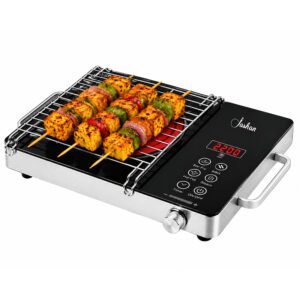
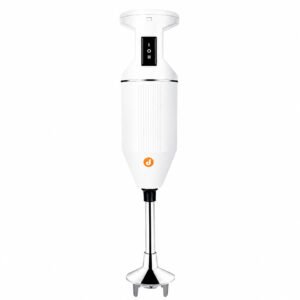
Modern kitchen appliances can significantly reduce cooking time when used correctly. Appliances such as mixers, food processors, microwave ovens, induction cooktops, air fryers, and electric kettles can make everyday kitchen tasks easier.
However, it is important to use each appliance according to its purpose and instructions. Overloading appliances can affect their performance and may reduce their lifespan.
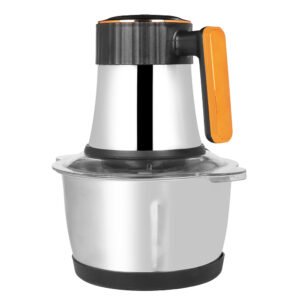
For example, use a food processor for chopping or blending larger quantities instead of doing everything manually. An electric kettle can quickly heat water for tea, coffee, noodles, or cooking preparations.
Similarly, appliances such as air fryers can be useful for preparing certain foods with less oil and less mess.
Keeping your appliances clean is equally important. Food residue, grease, and dust can affect performance over time. Regular cleaning and proper maintenance can help your kitchen appliances work efficiently for longer.
5. Keep Frequently Used Spices and Ingredients Within Reach
Spices are an essential part of everyday cooking, particularly in Indian kitchens. Searching through multiple containers every time you cook can waste a surprising amount of time.
Create a dedicated spice area near your cooking station. You can use a spice rack, drawer organizer, or labeled containers to keep everything accessible.
Arrange commonly used spices such as turmeric, red chilli powder, coriander powder, cumin, garam masala, and salt where they are easy to reach.
Make sure containers are properly closed to protect spices from moisture. Store them in a cool and dry location away from direct heat.
An organized spice collection can make cooking faster and can also help you maintain a cleaner kitchen counter.
6. Clean While You Cook
Nobody enjoys facing a huge pile of dishes after cooking. One simple habit can make a major difference: clean as you go.
While something is cooking, use those few minutes to wash or rinse utensils that are no longer needed. Wipe spills immediately rather than allowing them to dry.
For example, if vegetables are cooking in a pan, you can wash the chopping board and knife. If you are waiting for water to boil, you can organize the ingredients or clean the countertop.
Cleaning while cooking prevents mess from accumulating and makes the final cleanup much faster.
It also helps maintain kitchen hygiene. Food spills and leftover ingredients can attract insects and create unpleasant smells if they are left unattended.
7. Use the Right Cutting Techniques
Good cutting techniques can make food preparation faster and more consistent. A sharp, good-quality knife is usually safer and more efficient than a blunt knife because it requires less force.
Learn basic cutting styles such as chopping, slicing, dicing, and julienne. You do not need to become a professional chef; even basic techniques can improve your speed.
Always use a stable chopping board. If your cutting board moves while you are cutting, place a damp kitchen towel underneath it to improve stability.
Also remember to keep your fingers positioned safely while chopping. Speed should never come at the cost of safety.
For large quantities of vegetables, a food processor or vegetable chopper can save considerable time.
8. Store Food and Ingredients Properly
Proper food storage can save time, reduce waste, and keep your kitchen organized. When ingredients are stored correctly, they remain fresh for longer and are easier to use.
Use airtight containers for items such as flour, rice, pulses, cereals, dry fruits, and spices. Label containers with the ingredient name and, where useful, the purchase or opening date.
For refrigerated foods, use suitable containers and avoid overcrowding the refrigerator. Keeping similar items together can make it easier to find what you need.
You can also prepare certain ingredients in advance. For example, washed and properly stored vegetables can make weekday cooking faster.
However, perishable foods should always be handled and stored safely. Follow appropriate refrigeration and food-safety practices to maintain freshness and reduce the risk of spoilage.
9. Make Your Kitchen Countertop Clutter-Free
A cluttered countertop can make even a spacious kitchen feel difficult to work in. Try to keep only the appliances and tools you use regularly on the counter.
Appliances that are used occasionally can be stored in cabinets or shelves when they are not needed. This creates more working space for chopping, mixing, and preparing food.
You can also use wall-mounted racks, magnetic strips, drawer organizers, and vertical storage solutions to make better use of available space.
A clean countertop has another advantage: it is easier to clean and maintain. After cooking, you can quickly wipe the surface and leave the kitchen looking fresh and organized.
10. Create a Simple Cooking Routine
The final and perhaps most important tip is to create a cooking routine that works for your lifestyle.
Instead of trying to do everything at once, divide kitchen tasks into manageable steps. For example, you can begin by checking your ingredients, preparing vegetables, setting up your cookware, and then starting the cooking process.
If you cook regularly, identify the tasks that consume the most time and find ways to simplify them. Perhaps meal preparation takes too long, or you spend too much time cleaning. Once you identify the problem, you can adjust your routine.
You can also dedicate a specific day to grocery shopping and basic preparation. This can make weekday cooking significantly easier.
A consistent routine reduces decision-making and helps you become more efficient over time.
Bonus Tips to Make Everyday Cooking Even Easier
Apart from the ten main tips, a few additional habits can further improve your kitchen experience.
Keep Your Most-Used Utensils Accessible
Do not store frequently used spoons, spatulas, tongs, and ladles in difficult-to-reach places. A utensil holder near the cooking area can save time.
Keep a Small Kitchen Essentials Checklist
Make sure you regularly have basic ingredients such as cooking oil, salt, common spices, onions, garlic, and other frequently used items. Running out of an essential ingredient in the middle of cooking can disrupt your entire routine.
Maintain Your Appliances
Regularly inspect and clean your kitchen appliances. Remove food residue, clean filters where applicable, and follow the manufacturer’s maintenance recommendations.
Use Leftovers Creatively
Instead of throwing away suitable leftovers, think about how they can be incorporated into another meal. For example, leftover cooked vegetables may be used in sandwiches, wraps, rice dishes, or other suitable recipes.
Always use your judgment regarding food freshness and safe storage before consuming leftovers.
Why Smart Kitchen Habits Matter
Smart kitchen habits are not only about saving a few minutes. They can make your entire cooking experience more comfortable and organized.
When your kitchen is clean and well arranged, you can work more efficiently. When your ingredients are prepared in advance, cooking becomes less stressful. When your appliances are maintained properly, they can perform more effectively and potentially last longer.
These small improvements can also encourage you to cook more often at home. When cooking feels manageable rather than exhausting, preparing homemade meals becomes a more enjoyable part of your daily routine.
Another important benefit is reduced food waste. Meal planning, proper storage, and creative use of suitable leftovers can help you make better use of the ingredients you purchase.
Conclusion
Making everyday cooking easier does not require a completely new kitchen or a collection of expensive gadgets. Often, the biggest improvements come from simple habits.
Organizing your kitchen, planning meals, preparing ingredients in advance, using appliances correctly, keeping spices accessible, cleaning while cooking, improving cutting techniques, storing food properly, reducing countertop clutter, and following a consistent cooking routine can all make a noticeable difference.
The key is to choose the tips that fit your lifestyle and gradually turn them into everyday habits. Even small changes can save time, reduce stress, and make your kitchen a more pleasant place to work.
A smart kitchen is not necessarily the biggest or most expensive kitchen. It is a kitchen where everything has a purpose, ingredients are easy to find, appliances are used efficiently, and cooking feels simple and manageable.
Start with one or two of these tips today. As they become part of your routine, add more. Over time, you will find that everyday cooking becomes faster, more organized, and much easier.
Make your kitchen smarter, keep it organized, and enjoy cooking with less stress and more efficiency.


Add comment